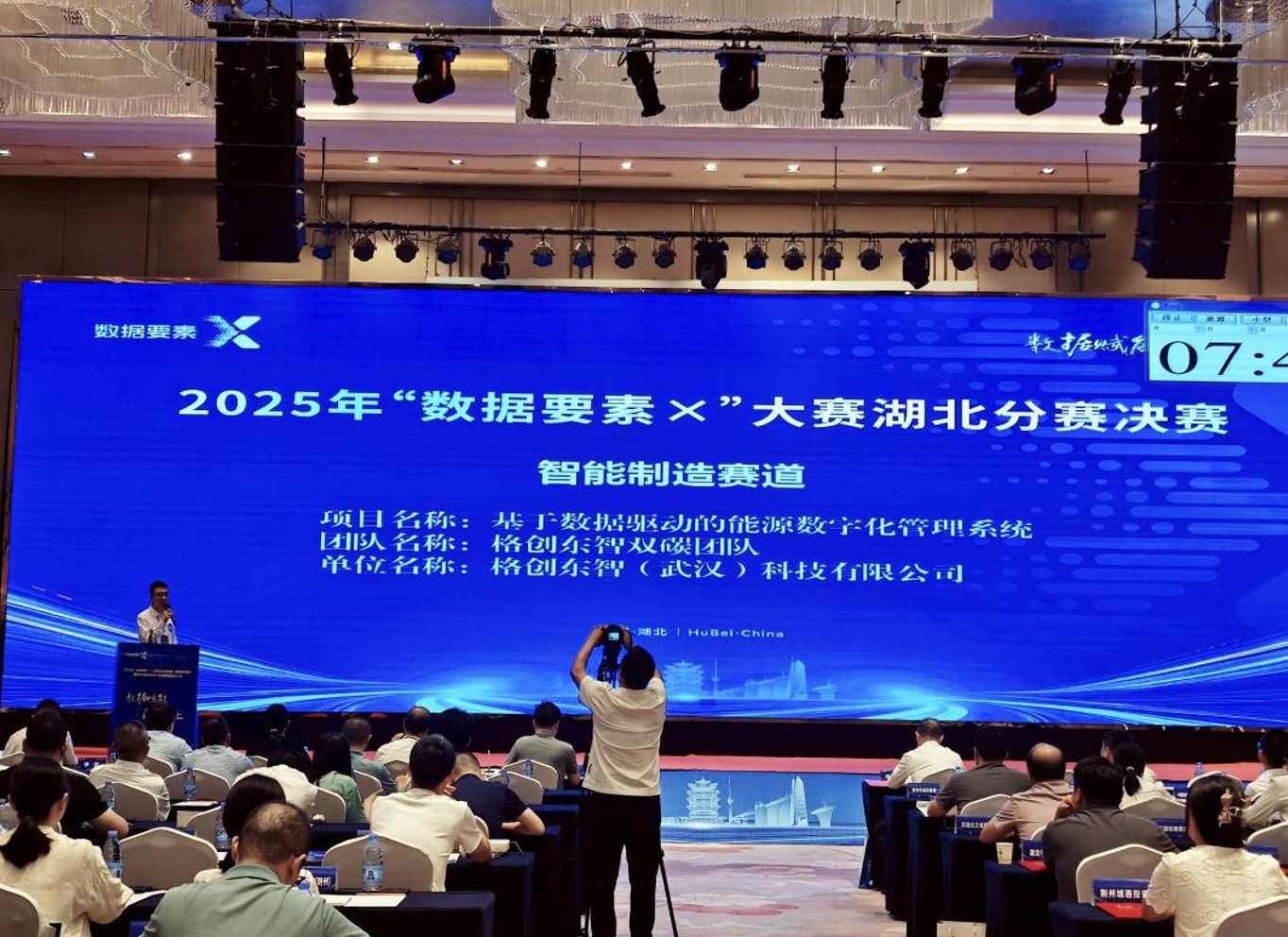
Gtrontec APQP Agent Boosts Supplier Project Development Cycle by 30%
A supplier quality manager at an automotive chip manufacturer calculated that a new project takes an average of 6 months from APQP launch to PPAP approval. However, less than 20% of that time is spent on technical reviews and problem-solving, with the remaining 80% consumed by three tasks.
Progress relies on chasing. SQE (Supplier Quality Engineer) has to call and email dozens of suppliers weekly, asking "Is DFMEA done?" and "When will the control plan be submitted?" Suppliers respond slowly, plans change repeatedly, and project delays become the norm. One SQE handles 20 projects simultaneously, with progress chasing taking up half of their working time.
Documents rely on flipping through. A PPAP package covers 18 deliverables, ranging from dozens to hundreds of pages. The SQE must check each page for format compliance, data completeness, and valid signatures, and cross-reference with historical versions. More troublesome are hidden deviations, such as inconsistencies between control plan characteristics and FMEA, or MSA sample sizes not meeting standards, which only senior engineers can detect.
Corrective actions rely on follow-up. After identifying deviations, emails are sent to suppliers for correction, then wait for replies, review again, and revise again. It is common for a PPAP package to take a month of back-and-forth, during which project progress is completely stalled.
The root cause is not that SQE are not working hard enough, but that traditional APQP management relies entirely on manual effort. Progress tracking uses Excel spreadsheets, document flow relies on emails, and review standards depend on personal experience. When a company manages hundreds of suppliers and dozens of ongoing projects simultaneously, this manual operation model can no longer hold up.
Gtrontec APQP Agent: Fully Intelligent Supplier Project Development Hub
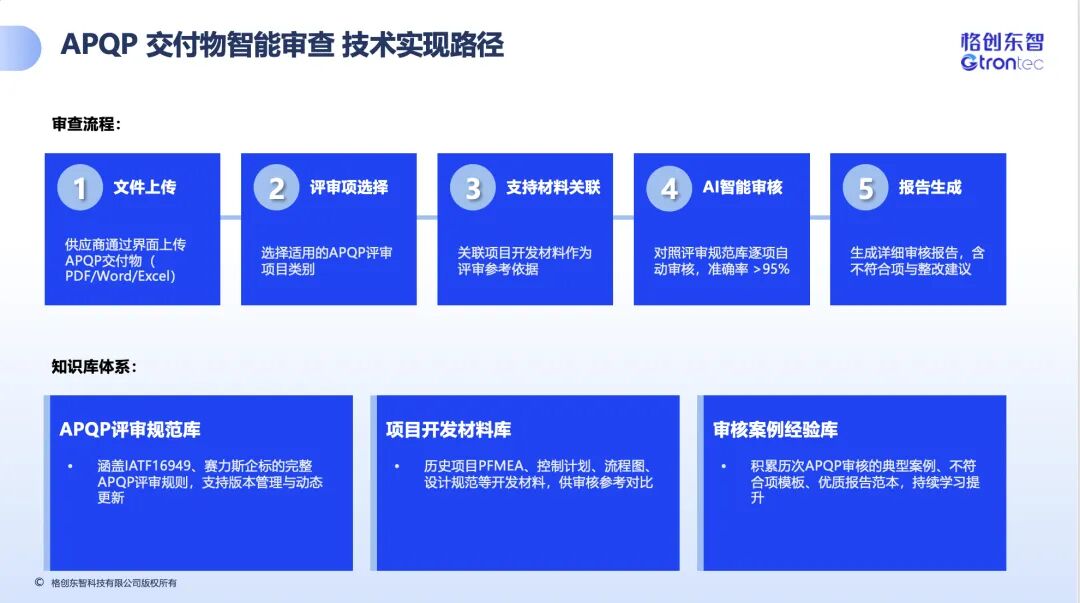
Gtrontec's APQP Agent extends the Octopus Intelligence architecture to the supply chain development domain. It is not a document management tool, but a multi-agent collaborative system that proactively tracks progress, intelligently reviews documents, and automatically closes corrective actions, covering all five phases of APQP from planning to mass production approval. The core agent matrix includes: APQP Progress Tracking Agent, PPAP Document Parsing Agent, Deviation Identification Agent, Corrective Action Follow-up Agent, and Supplier Performance Evaluation Agent. They work together to achieve end-to-end automation from project initiation, progress tracking, document review, deviation warning, to corrective action closure.
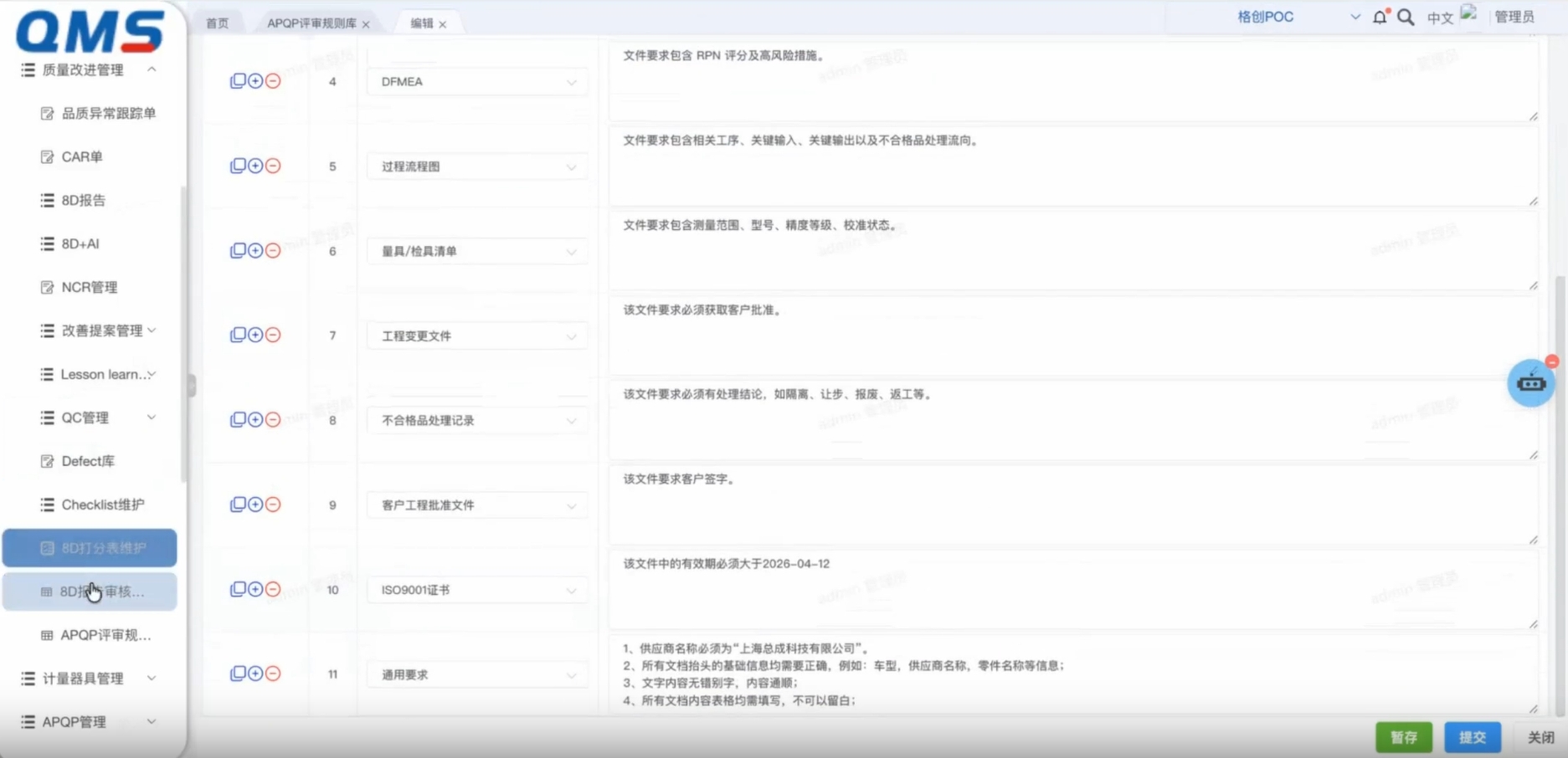
The APQP Progress Tracking Agent acts as the "commander" of the APQP Agent. It pre-loads standard task templates and milestones for the five APQP phases, supporting customization per customer requirements. Once a project is launched, the agent automatically pushes task lists and deliverable requirements to suppliers and monitors completion status in real time. When a milestone is overdue or a task is stuck, the agent automatically sends reminders to the supplier and escalates warnings to the SQE dashboard. SQE no longer need to call around for progress updates; they can see at a glance which supplier is stuck at which phase, how overdue, and why. After one Tier 1 customer went live, SQE time spent on progress tracking dropped from 20 hours to 5 hours per week, and project delay rate decreased by 40%.
The PPAP Document Parsing and Deviation Identification Agent serves as the "reviewer" of the APQP Agent. The 18 types of deliverables uploaded by suppliers, whether in PDF, Excel, or scanned format, are automatically parsed. It embeds quality standards such as IATF 16949, automatically extracts key data, and identifies two types of deviations: explicit issues (e.g., missing form fields, data exceeding limits, incorrect versions) and implicit issues (e.g., data mismatch between two documents, non-compliant inspection sampling). These implicit issues are easily missed in manual reviews but are precisely what customer audits and zero-defect requirements focus on most. With the two agents working together, a PPAP package that originally required two weeks of manual review can now be initially screened in two hours, with the system automatically outputting a review report. SQE's work shifts from "flipping page by page" to "confirming judgments," improving review efficiency by over 80%.
The Corrective Action Follow-up Agent acts as the "order tracker" of the APQP Agent. After deviation identification, the agent automatically generates a deviation report, sends it to the supplier, and creates a corrective task. The supplier submits revised documents online, and the agent automatically verifies compliance. If passed, the status is updated; if not, it is returned for supplementation. The entire process requires no manual emails, ledger keeping, or progress chasing from the SQE. The corrective cycle is compressed from an average of 3 weeks to less than 1 week, and the closure rate improves by over 50%.
Real Case: APQP Full Process Acceleration for a Tier 1 Chip Supplier
A leading domestic automotive-grade chip design company faced new project development tasks from dozens of suppliers simultaneously. Under the traditional model, a team of 3 SQEs processed over 50 PPAP packages per month, with a project delay rate as high as 30%, leading to multiple customer complaints due to APQP progress lag. Gtrontec deployed the APQP Agent full-process solution for them. Actual results after deployment:
Value Benefits
1. Average project development cycle reduced from 6 months to 4 months (33% shorter)2. SQE time for progress tracking reduced from 20 hours to 5 hours per week3. Initial review time per PPAP package reduced from 10 working days to 2 working days4. Corrective closure cycle compressed from average 3 weeks to 1 week5. Project delay rate reduced from 30% to below 10%More importantly, the APQP Agent helped the company pass the annual supplier audit of a global top Tier 1 customer, with the audit report specifically mentioning "digital and intelligent APQP management process" as a plus.
The essence of the APQP Agent is to transform the APQP process framework from "human-driven" to "system-driven." It does not change the five phases and deliverable requirements of APQP; instead, it uses a cluster of agents to execute the work that previously required manual SQE effort: tracking progress, reviewing documents, identifying deviations, and following up on corrective actions.
The role of the SQE fundamentally shifts from a triple identity of "project manager + reviewer + order tracker" to "rule setter + anomaly decision-maker." They are no longer overwhelmed by chasing progress, flipping through documents, and following up on corrections; instead, they invest time in high-value work such as supplier capability assessment, early design review, and risk plan development.
In today's advanced manufacturing industry, where zero defects and supply chain resilience are increasingly demanded, the APQP Agent is a must-have for moving supplier quality management from manual control to autonomous governance.
In the next article, we will focus on the Corrective Action Follow-up Agent, exploring how it automatically tracks the closure progress of supplier 8D reports, ensuring quality issues are never left unresolved. Stay tuned.